
When I started medical training 25 years ago, the old sages told me I would develop a way of working in my specialty that drew the most information from a patient without having to ask too much. In GP training I was told that if you can stay quiet for 45 seconds, the patient will tell you most of what you need to know. My adaptation within Sports Medicine is the “we”.
Patients often look at me as if to say: “We? You are one person in a room. What is the ‘we’ about?”
What multidisciplinary care really means
Multidisciplinary care is about listening to the ideas, concerns and expectations of the patient, and facilitating the change they need to optimise their health for their goals. The challenge is to understand the patient and what the “we” should look like. Inevitably, it is several clinicians working together towards the patient’s goal. It sounds simple, but it is often missed.
I am fortunate to have met and worked with so many leading experts who care deeply about their patients and their outcomes. Connecting patients with the right network is the easy part. The rest is helping them engage with the process and guiding them through it.
Medicine as art and science
There are bumps in the road. Treatment plans change as they progress, and life has to flex around them. That is what makes medicine as much an art as a science.
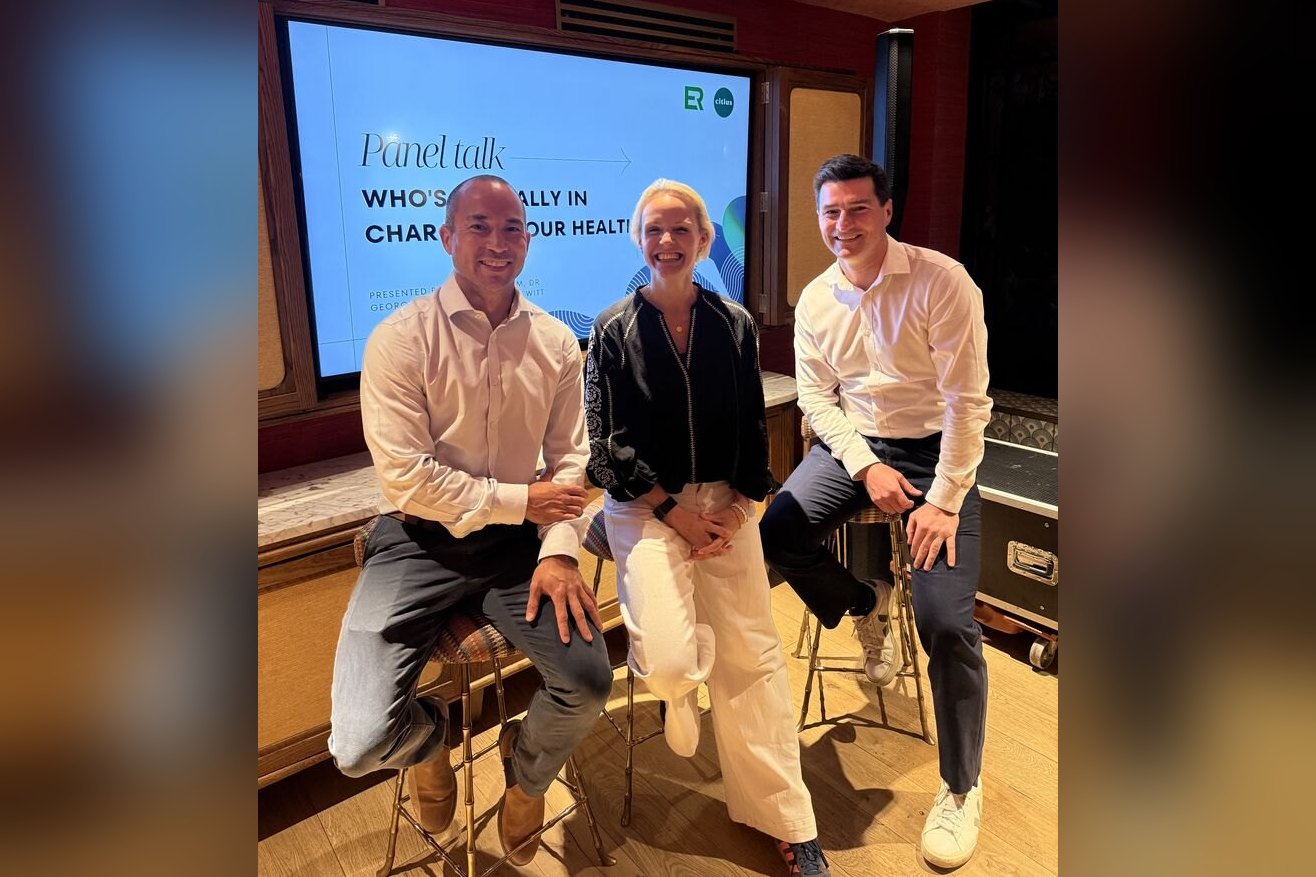
I have been fortunate to take part in many panel discussions and podcasts recently, and I am grateful for each of them. This week, alongside Adam Hewitt and Nicola Graham, two people I respect and admire, I think we produced a balanced and wide-ranging conversation about healthcare in 2026. My thanks to pavilion.club for the opportunity to speak.
If you have questions about your health, please ask. After all, who is actually in charge of your health?